
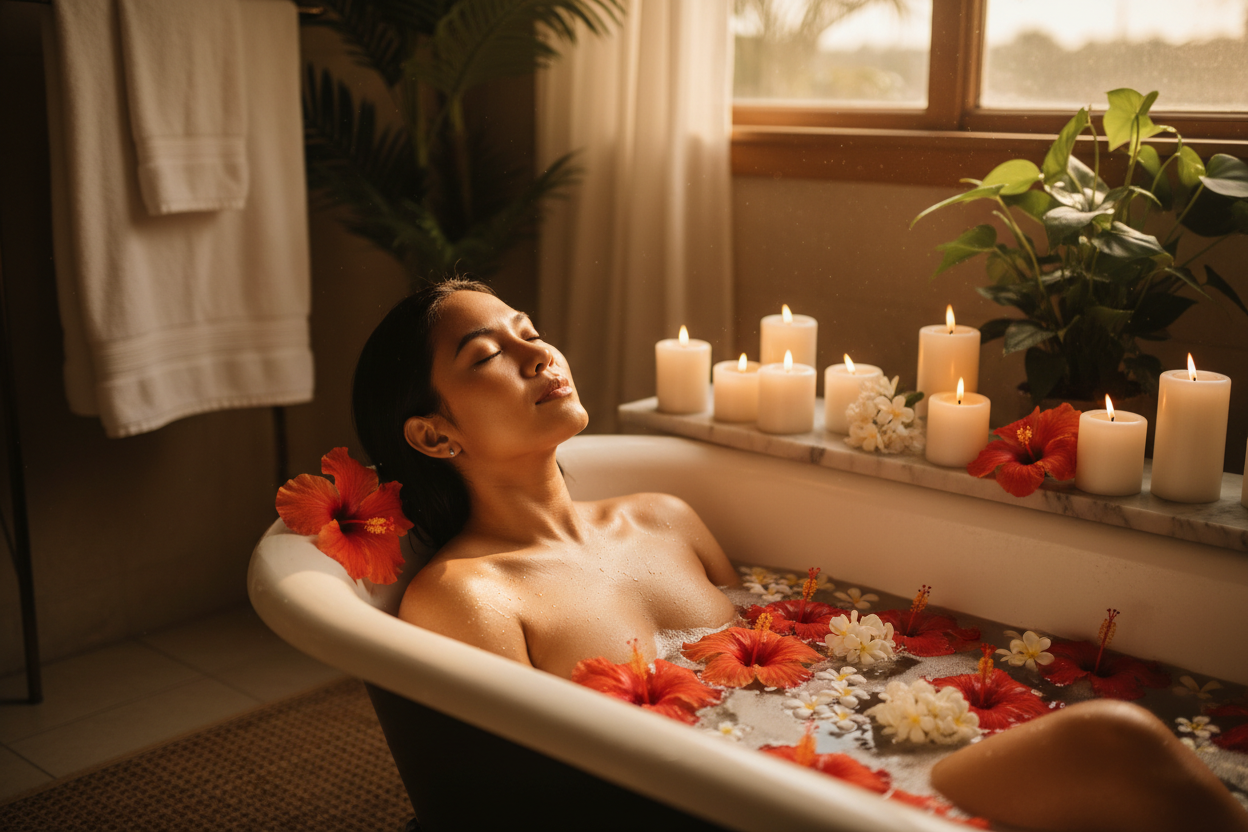
For many individuals, the journey toward pleasure involves more than just physical sensations. It's about connection, self-understanding, and granting yourself permission to feel, explore, and reconnect with your body without guilt or pressure.
If you’ve ever wondered:
- Is it okay to seek more from intimacy?
- How can I reconnect with my body?
- Where do I even begin?
You are not alone. Starting your path to pleasure is not about achieving a specific goal or becoming someone different; it's about returning to your true self with curiosity, compassion, and openness.
Here’s a simple five step guide to help you get started.
Step 1: Ground Yourself — Get Clear on Your “Why”
Pleasure begins with intention.
Before embarking on any physical exploration, take a moment to reflect on what motivates you to start this journey. Your reason is personal, and there is no right or wrong answer.
Here are some possible motivations you might have:
- To feel more alive and present
- To heal your relationship with your body
- To reconnect with yourself after years of shame or hesitation
- To deepen intimacy with a partner
- To better understand your own needs
Pleasure is more than just a physical sensation; it’s a dialogue between your mind and body because it is a space where you can allow yourself to exist without judgment.
Your intention serves as your anchor. When doubt or guilt arises, your “why” will remind you that your journey is valid.
Consider writing down your reasons and let them guide you forward.
Step 2: Permit Yourself to Feel Good
Many people grow up believing that pleasure must be earned, justified, or hidden. However, true exploration begins when you allow yourself to take up space and receive without apology.
You are allowed to:
- Feel good simply because it feels good.
- Experience your body without shame.
- Prioritize your well-being.
- Receive pleasure without guilt.
This step is about creating safety within yourself. When your body feels safe, it opens up naturally to sensation, relaxation, and connection.
Tell yourself:
I am safe. I am allowed to receive. Feeling good is powerful; it removes pressure and creates room for genuine experiences.
Step 3: Cultivate Curiosity by Exploring your Body
Pleasure fades when it becomes a performance. Instead of pursuing specific outcomes, shift your focus toward curiosity. There is no destination to reach, no timeline to follow, and no standard to meet.
Concentrate on exploration:
- Notice what feels comfortable or interesting.
- Pay attention to sensations without judging them.
- Move at your own pace.
- Stay present with your body.
Think of your body as something to rediscover. Close your eyes and notice textures, warmth, and touch. Allow sensations to unfold naturally.
Curiosity alleviates pressure. It transforms exploration into discovery rather than expectation.
Step 4: Flip the Script by Rewriting Your Beliefs
Many of our beliefs about pleasure are shaped by outside influences, including:
- Cultural expectations: Societal norms often dictate what is considered acceptable or desirable when it comes to pleasure. Different cultures may celebrate certain expressions of joy and intimacy while discouraging others, creating a framework that can lead to confusion or guilt.
- Social stigma: Many individuals face judgment or misunderstanding when discussing their pleasures or desires. This stigma can foster an environment where people feel they must hide or suppress their feelings, leading to a disconnect between their true selves and how they interact with the world.
- Past experiences: Personal history plays a significant role in shaping our beliefs. Traumatic or negative experiences can lead to a warped understanding of pleasure and intimacy. The baggage we carry from these events can hinder our ability to embrace joy fully.
- Fear or shame: Fear of judgment from others can prevent people from expressing their desires. Likewise, feelings of shame about one's body or preferences can create barriers to experiencing pleasure. These emotions can be deeply rooted and often require conscious effort to unlearn.
- Unrealistic standards: The portrayal of pleasure in media often sets unattainable standards. Whether it's how relationships are depicted in movies or the ideal body types shown in advertisements, these images can lead to feelings of inadequacy and forget that pleasure is subjective.
These "scripts" often dictate what we should or should not feel. They can limit our understanding of our own bodies and desires. However, it's essential to remember that you are the author of your own experience.
Sexual wellness is not a secret or something to hide; it is an essential part of overall health, just like emotional and physical well-being. Embracing this reality is crucial for personal growth and fulfillment.
Rewriting your story might look like this:
My pleasure matters: Recognizing that having desires is normal and valid can help you prioritize your own needs and wellbeing.
My body deserves care and attention: Embracing self-love and taking the time to nurture your body can lead to a more profound appreciation for your own pleasure.
My needs are valid: Understanding that everyone has unique preferences and desires can help you feel empowered to express what truly matters to you without reservation.
I define my own comfort: Learning to set personal boundaries and advocating for your own preferences allows you to create a safe and enjoyable space for exploration.
When you change your beliefs, you change your experience. By challenging the scripts imposed by society and rewriting your narrative, you open the door to a more fulfilling and authentic relationship with pleasure. This transformative journey can lead to a deeper understanding of yourself, healthier relationships, and a more fulfilling life overall.
Step 5: Integration — Make It a Lifestyle
Pleasure is not a one-time event; rather, it is a practice of connecting with yourself. In today's fast-paced world, it can be easy to prioritize obligations and responsibilities over our own well-being. However, integrating pleasure into our lives requires intentionality and a commitment to nurturing our inner selves.
Integration involves:
1. Choosing self-care regularly: This means carving out time for activities that replenish your energy and spirit, whether it's enjoying a good book, soaking in a warm bath, or simply taking a walk in nature. Self-care should not feel like a luxury; it should be a fundamental part of your routine.
2. Listening to your body daily: Our bodies often communicate their needs through feelings and sensations. By tuning in to what your body is telling you—whether you’re hungry, tired, or energized—you can respond appropriately and support your overall health.
3. Practicing presence and awareness: Mindfulness is key to cultivating pleasure. Take moments throughout your day to pause, breathe, and become aware of your surroundings. This practice helps you savor simple joys, like the taste of your food or the warmth of sunlight on your skin.
4. Maintaining openness to growth: Embracing the idea that pleasure can evolve over time is essential. As you grow and change, so too will your understanding of what brings you joy. Being open to new experiences and willing to step outside your comfort zone can deepen your connection to yourself.
At first, you choose to feel good. This may require conscious effort, like setting aside time for relaxation or exploring new hobbies. Then, you practice it consistently. Over time, these efforts weave into the fabric of your daily life, shaping a lifestyle that nurtures your well-being.
Eventually, it becomes a part of your everyday life. Just as brushing your teeth is a habit that contributes to your physical health, integrating moments of pleasure enhances your emotional and mental wellness.
Pleasure is not a destination to reach; it is an ongoing relationship with yourself that deepens over time. By continually prioritizing your well-being and embracing your own needs, you cultivate a rich and fulfilling experience of life. This journey not only benefits you but can also enhance your relationships with others, as a healthy connection with yourself allows you to relate more authentically to those around you.
The Bottom Line
Everyone deserves a path to their own pleasure. But this path is not about achieving perfection or reaching an endpoint. It is about direction moving toward self-connection, confidence, and well-being.
Your experience will continue to grow, expand, and become uniquely yours. At some point, you may realize: You are no longer searching for pleasure. You are living it.


